Balerinna Font: A Designer’s Review for Branded Merch
As an embroidery designer who has spent years digitizing logos and testing fonts for small business clients, I approach every new machine embroidery design with a critical eye. It is not just about whether a font looks pretty on a screen; it is about how it performs under the needle, how it reads on fabric, and ultimately, how it serves the brand identity of the business using it. Recently, I had the opportunity to review Balerinna Font, a typeface that promises to let your creativity dance and twirl. In this review, I will evaluate its potential for commercial use, specifically focusing on branded patches, custom apparel, and small business merchandise.
First Impressions: Elegance Meets Playfulness
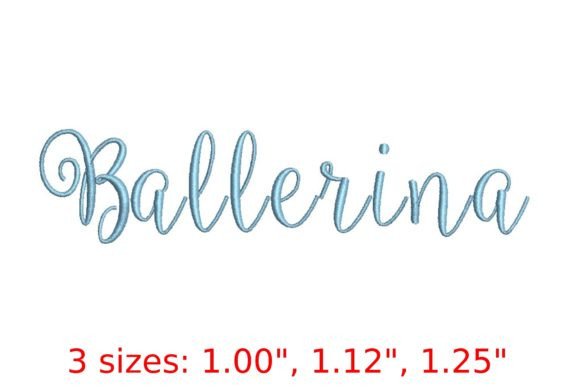
The first thing that strikes you about Balerinna Font is its inherent sense of movement. The description suggests it is perfect for delicate monograms, elegant invitations, and feminine accessories, and visually, it delivers on that promise. It possesses a graceful, flowing quality that feels both premium and approachable. For a designer, this duality is crucial. A font that is too rigid can feel cold, while one that is too loose can appear unprofessional. Balerinna strikes a balance that feels handmade yet polished.
When considering its application in Embroidery, the aesthetic leans heavily towards businesses that value softness, care, and personal touch. I immediately thought of boutique bakeries, florists, bridal shops, and creative studios. However, its versatility extends beyond these niches. With the right thread choices, it could also elevate the branding of a high-end pet groomer or a local café looking to soften its corporate image. The font does not scream for attention; rather, it invites the viewer to look closer, which is a powerful tool for customer engagement.
Real-World Applications for Small Business Merch
The true test of any digital embroidery file is its performance in real-world scenarios. I evaluated how Balerinna Font would function across various popular merchandise items for small business owners, Etsy sellers, and apparel decorators.
- Embroidered Patches: This is perhaps the strongest use case. A patch featuring Balerinna can serve as a removable brand badge for tote bags or denim jackets. The flowing lines of the font create a beautiful silhouette when filled with satin stitches, making the patch feel like a piece of jewelry rather than just a label.
- Apron Embroidery: For bakeries, florists, and craft studios, staff uniforms are walking billboards. Embroidering the business name or a short tagline in Balerinna on the chest pocket of an apron adds a layer of sophistication. It signals to customers that the service provided is artisanal and careful.
- Cap Embroidery: While script fonts can be tricky on curved surfaces, Balerinna’s moderate thickness allows it to work well on dad hats or beanies, provided the lettering is kept concise. It works best as a side-sleeve detail or a small front-center logo for boutique brands.
- Tote Bag Design: Canvas totes are a staple for Back To School promotions and retail giveaways. The contrast of elegant script against rough canvas texture creates a visually appealing finished product that customers are proud to carry.
- Custom Apparel: For handmade brands, adding a small Balerinna monogram to the hem of a shirt or the cuff of a sweater can increase the perceived value of the item, turning a basic garment into a luxury handmade product.
Navigating Technical Challenges and Limitations
While Balerinna Font is visually stunning, experienced embroiderers know that elegance often comes with technical demands. There are specific scenarios where this design must be used with caution to avoid production issues.
Stitch Density and Fabric Texture: Flowing scripts often require careful management of stitch density. If the density is too high on delicate fabrics like silk or thin cotton, the fabric may pucker or distort. Conversely, on textured fabrics like terry cloth or heavy fleece, fine details might get lost. I recommend always testing the design on the specific fabric intended for production. Using a cut-away stabilizer is often necessary to maintain the integrity of the curves during washing and wear.
Small Patch Sizes and Legibility: One common mistake is scaling script fonts down too far. When Balerinna Font is reduced to a very small hoop size, such as for a tiny chest logo or a small patch, the connecting strokes between letters may merge or become indistinct. It is vital to check the spacing and ensure that the thread colors provide enough contrast against the background fabric. Dark uniforms with dark thread, for example, may render the design invisible from a distance.
Durability Concerns: Items that undergo frequent washing, such as staff uniforms or baby clothes, require robust digitizing. Ensure that the tie-ins and jump stitches are secure. If the design features extremely thin outlines, they may break down faster than thicker satin columns. Always verify the durability expectations with your client before finalizing the design assets.
Impact on Brand Identity and Customer Trust
Choosing the right font is a strategic business decision. Balerinna Font contributes significantly to brand identity by conveying professionalism, warmth, and attention to detail. For small business owners, consistency in visual presentation builds trust. When a customer receives a package with a beautifully embroidered thank-you note or a branded tote bag, the tactile experience reinforces the quality of the brand.
In the context of commercial embroidery, using a cohesive font family across all touchpoints—from website headers to physical patches—creates a memorable brand experience. Balerinna’s elegant nature suggests a premium offering, which can justify higher price points for small business merch. It helps differentiate a brand from competitors who might use generic, blocky fonts, thereby enhancing buyer engagement and loyalty.
Practical Notes for Embroidery Designers
Before integrating Balerinna Font into your client projects or your own product line, consider these practical steps to ensure success:
- Test in Black and White: Before selecting fancy thread colors, stitch out the design in black thread on white fabric. This reveals any legibility issues or spacing problems without the distraction of color.
- Check Scalability: Verify how the design looks at its smallest intended size. If it becomes a blob of thread, you may need to simplify the digitizing or increase the minimum size requirement.
- Review Thread Color Contrast: Select thread colors that stand out against the fabric. Metallic or variegated threads can enhance the "twirling" effect of the font but may obscure details if not chosen carefully.
- Confirm Hoop Size and Stabilizer: Ensure your hoop can accommodate the design dimensions comfortably. Use the appropriate stabilizer for the fabric weight to prevent puckering.
- Create a Printable Mockup: Use a printable mockup to show clients how the design will look on their specific products. This helps manage expectations and secures approval before stitching begins.
- Verify Licensing: Although the description highlights creative use, always confirm the commercial licensing terms of the embroidery file before using it for client work or resale items. Ensure you have the right to use it for custom apparel and merchandise sales.
In conclusion, Balerinna Font is a valuable addition to the toolkit of any embroidery designer working with lifestyle, boutique, or creative brands. Its ability to convey elegance and movement makes it ideal for patches, aprons, and tote bags that aim to impress. By respecting its technical limitations and applying it strategically, small business owners can leverage this design to enhance their brand identity and create high-value, memorable merchandise.