Deconfined Font: A Designer’s Review for Craft Fairs
As an embroidery designer who has spent countless weekends standing behind booth tables, watching potential customers scan rows of handmade goods, I have learned that typography is everything. The right font does not just spell out a word; it sets the mood, defines the brand, and ultimately decides whether a shopper stops to look or walks on by. Recently, I had the chance to test Deconfined Font, and I approached it with the critical eye of someone looking for their next best-selling craft fair product. This review is not just about aesthetics; it is about practical application in a high-pressure retail environment.
First Impressions: Bold, Modern, and Versatile
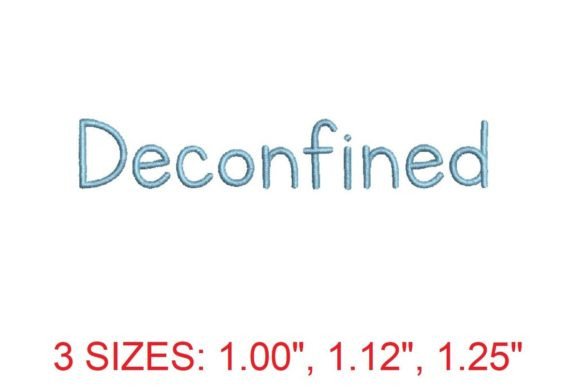
When I first loaded the Deconfined Embroidery Font into my digitizing software, the immediate impression was one of structured freedom. The name suggests a break from rigid constraints, and the design delivers. It feels modern and clean, yet it retains enough character to avoid looking sterile. For a Back To School collection, this is a significant advantage. It bridges the gap between playful youthful energy and the sophisticated minimalism that adult buyers often prefer for home goods.
The font is described as a versatile and captivating choice, and in practice, this versatility shines. It does not scream "cute" in a way that limits its audience to children, nor is it so formal that it feels out of place on a casual tote bag. This balance is crucial for an Etsy seller or boutique maker who needs to maximize the appeal of a single digital embroidery file across multiple product lines.
Performance on Key Products
To truly evaluate a font, you must see it stitched out. I tested Deconfined Font on several staple items found in most handmade shops. Here is how it performed:
- Tote Bags: This is where the font truly excels. On a canvas tote bag design, the clean lines of the letters stand out beautifully against the textured fabric. It works equally well as a large focal point with a student’s name or as a smaller, subtle accent for a brand logo. The readability is high, even from a distance, which is essential for catching the eye in a crowded market aisle.
- Aprons and Tea Towels: For apron embroidery and tea towel embroidery, the font adds a touch of premium quality. Because the design is not overly dense, it lays flat on thinner fabrics like linen or cotton twill without causing puckering. This makes it an ideal choice for kitchen textiles where both aesthetics and functionality matter.
- Caps and Patches: Curved surfaces are tricky. However, Deconfined Font maintains its integrity on caps because the letter spacing appears well-balanced. For an embroidered patch, the boldness of the characters ensures that the text remains legible even when scaled down, provided you stay within the recommended size limits.
Production Practicality for Small Shops
For those of us running a small shop product line, time is money. One of the strongest selling points of this font is its efficiency. The description notes that it seamlessly pairs with the popular PES file format, making it accessible for most home and commercial machines. From a production standpoint, the stitch path seems logical, minimizing unnecessary jumps and trims. This means faster run times and less thread waste, which directly impacts your profit margin at a craft fair.
Photography is another critical factor. In an era where online listings drive foot traffic to physical booths, your products must photograph well. Deconfined Font creates crisp, defined edges that look sharp in photos. Whether you are creating a printable mockup for your social media or shooting actual finished product images for Etsy, the clarity of the font enhances the perceived value of the item. It looks professional, which justifies a higher price point.
Careful-Use Notes and Technical Considerations
While Deconfined Font is robust, no design is universal. As an experienced designer, I must highlight areas where caution is needed. First, consider stitch density. While the font is not overly heavy, placing it on very delicate or stretchy fabrics without proper support can lead to distortion. Always use the appropriate stabilizer for your fabric type. Cut-away stabilizer is often safer for items that will be washed frequently, like tea towels and aprons.
Second, pay attention to size. Tiny details can get lost if you scale the font down too far, especially on textured materials like terry cloth towels or thick wool felt. I recommend testing a range of sizes on scrap fabric before committing to a full batch. If you are stitching on dark fabric, ensure your thread colors provide enough contrast. Light pastels or bright whites work best to make the letters pop against navy or black backgrounds.
Additionally, verify the hoop size requirements. Since the description mentions it is designed to perfection but does not specify exact dimensions, you must check the file details before purchasing. Ensure your machine can accommodate the largest letter or word combination you plan to sell. Running out of hoop space mid-design is a costly mistake during a busy production week.
Enhancing Visual Appeal and Brand Consistency
Using a consistent font family like Deconfined Font across your product line strengthens your brand identity. When a customer sees the same distinctive typography on a pillow cover, a market bag, and a gift tag, it creates a cohesive visual experience. This consistency builds trust and recognition, turning casual browsers into loyal customers.
In a booth display, this font helps create a curated look. It feels intentional and designed, rather than assembled from disparate elements. This elevated aesthetic engages buyers, encouraging them to pick up items and feel the quality of the stitching. The tactile experience of well-digitized embroidery, combined with the visual appeal of a modern font, creates a powerful sales tool.
Final Designer Verdict
Before you add Deconfined Font to your library, remember to do your due diligence. Check the commercial licensing terms to ensure you are covered for selling commercial embroidery products. Create at least one real mockup on the specific fabric you intend to use. Compare how it looks on different colors to build a versatile inventory.
Overall, Deconfined Font is a strong contender for any embroidery business owner looking to expand their Back To School or everyday essentials collection. It offers the right mix of style, readability, and production efficiency. For craft fair sellers and handmade market vendors, it is a tool that can help your products stand out in a sea of generic designs. By focusing on quality execution and smart product placement, this font can become a staple in your repertoire of design assets.
Whether you are a seasoned Etsy seller or just starting your journey as a creative entrepreneur, investing in versatile, high-quality fonts is one of the best ways to elevate your brand. Deconfined Font delivers on its promise of versatility, making it a worthy addition to your digital toolkit.