Old Oxford Embroidery Font Review
As an embroidery designer who has spent countless weekends behind a craft fair table, I have learned that font selection is not just an aesthetic choice; it is a business decision. When I first loaded the Old Oxford Embroidery Font into my digitizing software, I was looking for something that could bridge the gap between traditional elegance and modern marketability. This machine embroidery design immediately struck me as a refined choice, offering intricate letterforms that suggest a level of sophistication often missing from standard sans-serif options. For those of us running small shops or selling on Etsy, finding a typeface that commands attention without shouting is rare.
First Impressions: Elegance Meets Versatility
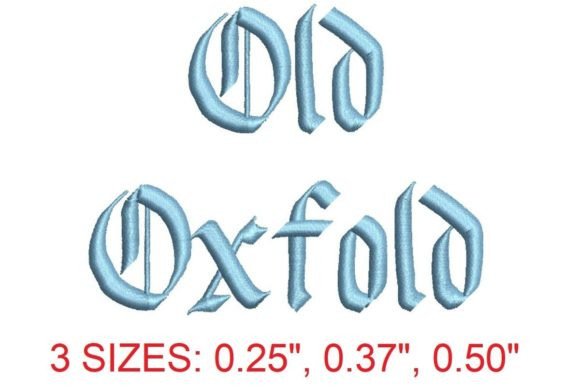
The initial visual impact of Old Oxford is undeniably premium. It does not lean into the rustic farmhouse trend that has saturated the market for years, nor does it try to be overly cute or whimsical. Instead, it sits comfortably in a space of classic refinement. The letterforms are elegant and detailed, which makes them ideal for products where perceived value is high. When I imagine this font stitched onto a linen tote bag or a high-quality cotton apron, it elevates the item from a simple utility piece to a giftable heirloom. This distinction is crucial for craft fair sellers who need to justify higher price points through visible quality.
While the product category is listed as Back To School, I believe the versatility of this font extends far beyond pencil cases and backpacks. Yes, it works beautifully for monogrammed school supplies, adding a touch of academic prestige. However, its true strength lies in its ability to adapt to adult markets, such as bridal showers, housewarming gifts, and boutique home decor. The intricate nature of the letters demands respect from the viewer, suggesting that the finished product was made with care and precision.
Product Application and Market Fit
To determine the commercial viability of any new embroidery file, I mentally place it on various substrates. Here is how Old Oxford performs across different popular items:
- Tote Bags and Market Bags: This is perhaps the strongest application. A large, centered monogram or a short word like "Market" or "Fresh" in Old Oxford looks stunning on canvas. The density of the stitches provides a nice texture against the flat fabric, making it a standout tote bag design.
- Aprons and Tea Towels: For kitchen textiles, this font adds a bistro or café vibe. An apron embroidery using this font feels professional, suitable for someone who takes their cooking seriously. Similarly, tea towel embroidery benefits from the crisp lines, provided the fabric weave is tight enough to support the detail.
- Caps and Hats: Caution is advised here. Curved surfaces can distort intricate designs. If you choose to use Old Oxford on caps, keep the size moderate and ensure the text is not too long, as the curvature may cause the ends of the words to wrap awkwardly.
- Embroidered Patches: Creating an embroidered patch with this font allows for portability and versatility. Customers love patches because they can customize multiple items. The bold structure of Old Oxford holds up well when cut out and bordered.
- Pillow Covers: A single initial or a short surname on a throw pillow creates a high-end look. This is a perfect small shop product for holiday seasons or wedding gifts.
Production Practicalities for the Busy Maker
From a production standpoint, we must consider efficiency. Craft fairs require batch production to keep inventory stocked. Old Oxford, with its intricate details, may have a higher stitch count than simpler block fonts. This means longer machine run times. Before committing to a large batch, you must check the specific stitch density and estimated run time of the digital embroidery file. If the density is too high, it can cause puckering, especially on lighter fabrics.
Photography is another critical factor. Does the design photograph well? Intricate fonts can sometimes lose clarity in low-light booth conditions or blurry online thumbnails. However, the strong contrast typically found in serif-style fonts like Old Oxford usually translates well in photos, provided you use contrasting thread colors. For your Etsy seller listings, create a printable mockup or take high-resolution photos on neutral backgrounds to highlight the texture of the stitches. This helps customers visualize the finished product clearly.
Careful-Use Notes and Technical Considerations
While Old Oxford is beautiful, it is not foolproof. Here are some technical constraints to keep in mind to avoid wasted materials and frustrated customers:
- Fabric Texture: Avoid using this font on highly textured towels or loose-weave linens unless you use a sufficient topping. The tiny details in the letterforms can get lost in the fuzz of terry cloth or sink into loose weaves.
- Small Lettering: Do not scale this font down too small. The intricate connections and serifs will merge together if the height is less than an inch, resulting in a muddy, unreadable blob. Always test the minimum readable size on scrap fabric.
- Dark Fabrics: When stitching on dark fabrics, ensure your thread colors have enough contrast. Light pastels or metallics work well, but avoid dark threads that blend into the background, as the detail will vanish.
- Stabilizer Selection: Given the potential for dense stitch areas, using the right stabilizer is non-negotiable. A cut-away stabilizer is often safer for garments that will be washed frequently, while tear-away might suffice for stable home decor items like pillow covers.
Enhancing Brand Consistency and Visual Appeal
Using a consistent font family like Old Oxford across your product line strengthens your brand identity. If your booth features tote bags, aprons, and patches all utilizing the same elegant typography, customers begin to recognize your style. This visual consistency builds trust and perceived professionalism. It signals that you are not just throwing random designs together, but curating a cohesive collection. This is particularly important for commercial embroidery clients who may want matching sets for events or corporate gifts.
The font also aids in buyer engagement. At a craft fair, people are drawn to items that look expensive. The refined look of Old Oxford suggests a higher price point, allowing you to position your handmade goods as luxury items rather than cheap souvenirs. It invites the customer to touch the item, feel the raised stitches, and appreciate the craftsmanship.
Final Designer Recommendations
Before you launch this design into your store, follow these practical steps. First, always test the design on scrap fabric similar to your final product. Check for thread breaks, tension issues, and overall clarity. Second, verify the hoop size requirements. Ensure your machine can accommodate the largest letter or word you plan to stitch without re-hooping, which can lead to alignment errors.
Third, review the licensing terms. The description mentions it is a perfect choice for stitching projects, but you must confirm that the design assets include a commercial license if you plan to sell physical items. Never assume; always read the terms provided by the digitizer. Finally, create at least one real-world mockup. Stitch a sample tote bag or apron and display it prominently in your booth or as the main image in your online shop. Seeing the Old Oxford Embroidery Font in action will convince customers of its value far better than a digital rendering ever could.
In conclusion, Old Oxford is a strong contender for designers looking to add a touch of class to their repertoire. It requires careful handling regarding size and fabric choice, but the payoff in aesthetic appeal and perceived value is significant. For the serious craft entrepreneur, it is a tool worth mastering.