Reviewing Little Arthur Font for Custom Gifts
As an embroidery designer who has spent years testing digital files for real-world application, I approach every new machine embroidery design with a mix of curiosity and caution. We all know that what looks perfect on a screen does not always translate flawlessly to fabric. Recently, I had the opportunity to test Little Arthur Font, and I wanted to share my practical insights for fellow crafters, Etsy sellers, and small business owners looking to elevate their personalized gift offerings.
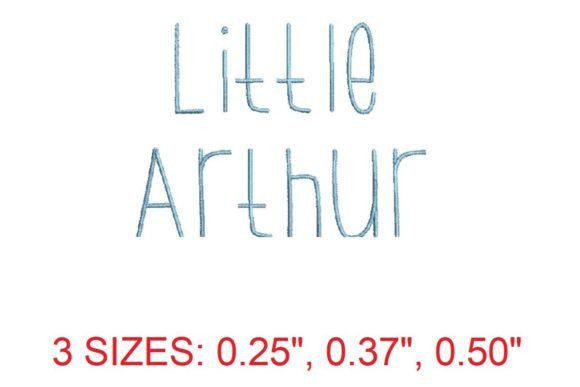
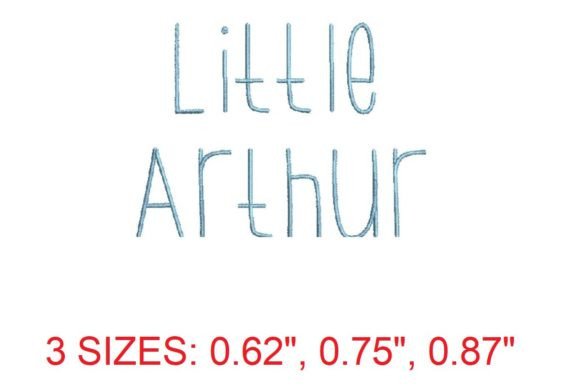
The first impression of this typeface is undeniably charming. It strikes a delicate balance between playful and elegant, making it versatile enough for a wide range of customers. The lines are clean, suggesting a modern yet timeless aesthetic that avoids looking too childish or overly rigid. For those of us creating handmade products, this emotional appeal is crucial. A font must not just be readable; it must evoke a feeling. Little Arthur Font feels sweet and inviting, perfectly suited for items meant to be cherished, such as baby blankets, nursery decor, and family keepsakes.
Perfect Applications for Personalized Products
When planning your product line, consider where this font will shine brightest. I found that Little Arthur Font excels in contexts where warmth and personalization are key selling points. Here are several ideal applications for this design:
- Baby Embroidery: This is perhaps the strongest category. The soft curves of the letters look adorable on onesies, burp cloths, and receiving blankets. Parents are constantly seeking unique personalized gift options for newborns, and this font delivers that boutique feel.
- Wedding Gift Items: While not overly ornate, the font has a refined quality that works well for bridal party robes, tote bags, or custom handkerchiefs. It adds a touch of sophistication without overpowering the fabric.
- Home Decor and Kitchen Textiles: Imagine an embroidered towel or a linen apron monogrammed with this font. It transforms a standard household item into a bespoke handmade product that feels special enough for daily use or gifting.
- Nursery Decor: Pillow covers and wall hangings benefit from the legible yet decorative nature of the letters. It allows for longer names or meaningful words to be stitched clearly.
For Etsy sellers and craft fair vendors, the versatility of this font means you can create a cohesive collection across different product types. Whether you are selling a custom embroidery service or pre-made stock, the consistent aesthetic helps build brand recognition.
Navigating Fabric and Stitching Challenges
While the design is beautiful, successful execution depends heavily on technical preparation. As a designer, I must advise caution in specific scenarios to ensure your finished product meets professional standards.
Fabric Texture and Thickness: Delicate details can get lost on highly textured fabrics like thick terry cloth towels or chunky knits. If you are stitching on a plush blanket embroidery project, ensure you use a sufficient underlay and possibly a topping stabilizer to keep the stitches from sinking into the pile. Conversely, on smooth cottons or linens, the stitch definition will be crisp and clear.
Stretchy Materials: When working with stretchy baby clothes, proper stabilization is non-negotiable. Without the right stabilizer, the fabric may pucker around the letters, distorting the shape of Little Arthur Font. Always hoop your fabric tightly and consider using a cut-away stabilizer for garments that will undergo frequent washing and wearing.
Small Lettering and Detail: If you plan to scale the font down for small items like sock monkeys or tiny bibs, test the legibility first. Intricate connections between letters may merge if the size is reduced too much. I recommend stitching a test sample on scrap fabric to check how the smallest elements hold up before committing to a customer order.
Dark Fabrics: Contrast is key. On dark fabrics, ensure your thread colors pop. A light pastel thread on navy blue might look washed out if the stitch density is too low. Review your digitizing settings to ensure adequate coverage without making the design too stiff.
Enhancing Perceived Value and Customer Trust
In the world of online sales, particularly for small shop product listings, presentation is everything. Using a high-quality font like Little Arthur Font directly impacts the perceived value of your item. Customers associate clean, professional stitching with higher quality and reliability. When a buyer sees a neatly embroidered name on a pillow cover or tote, they trust that the rest of the construction is equally well-done.
This font also aids in product photography. The clean lines photograph well, allowing you to create attractive printable mockup images for your digital listings. Clear, appealing visuals drive buyer engagement and can significantly increase conversion rates. For Back To School collections, this font is excellent for labeling lunch bags, backpacks, and pencil cases, adding a personalized touch that helps children identify their belongings while looking stylish.
Practical Tips for Embroidery Makers
To ensure the best results with this digital embroidery file, follow these practical steps before starting your production run:
- Test on Scrap Fabric: Always stitch a sample on the same type of fabric you intend to use for the final product. This helps you identify any tension issues or registration errors.
- Check Thread Color Contrast: Select thread colors that complement the fabric but provide enough contrast for readability. Consider how the colors will look after washing.
- Confirm Hoop Size: Ensure your machine’s hoop size can accommodate the full length of the names or words you plan to stitch. You may need to split longer names into multiple hooping sections.
- Review Stitch Density: Check the digitizing notes for recommended stitch density. If the design feels too dense for lightweight fabric, you may need to adjust your machine settings or choose a heavier material.
- Use Proper Stabilizer: Match your stabilizer to the fabric weight and stretch. Tear-away is often sufficient for woven home decor, while cut-away is better for knits and garments.
- Compare Light and Dark Mockups: Create visual examples of how the font looks on both light and dark backgrounds to help customers visualize their custom orders.
- Verify Commercial Licensing: Before selling any commercial embroidery items, confirm the license terms associated with the font. Ensure you have the right to sell finished products made with this design.
In conclusion, Little Arthur Font is a valuable addition to any embroidery designer’s library. Its ability to convey warmth and professionalism makes it ideal for a wide array of personalized gift products. By paying attention to fabric choice, stabilization, and stitch quality, you can create stunning items that resonate with customers looking for meaningful, handmade treasures. Whether you are crafting for a wedding gift, a new baby, or a Back To School essential, this font offers the charm and reliability needed to satisfy discerning buyers.