First Grade Embroidery: A Designer’s Craft Fair Review
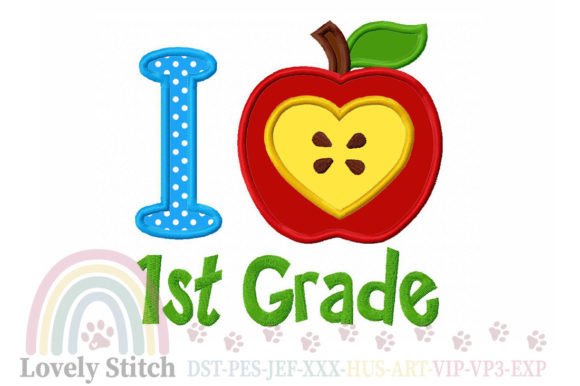
As an embroidery designer who has spent countless hours digitizing and testing patterns for the commercial market, I approach every new machine embroidery design with a critical eye. It is not just about whether the stitches look clean on my screen; it is about whether the design will sell on a crowded craft fair table or stand out in a saturated Etsy feed. Recently, I evaluated First Grade Embroidery, a pattern specifically tailored for the Back To School season. This adorable first-grade apple appliqué embroidery design is a perfect way to celebrate the beginning of a student's educational journey. The design features a charming apple that immediately catches the eye, but does it hold up under the scrutiny of real-world production?
First Impressions and Visual Appeal
When I first loaded the digital embroidery file into my software, the immediate impression was one of approachable charm. In the world of handmade goods, "cute" is a powerful sales driver, especially when targeting parents and grandparents preparing for the school year. The design leans heavily into a classic, nostalgic aesthetic. It feels less like a modern minimalist piece and more like a warm, welcoming tribute to early education. For a craft fair booth, this emotional connection is vital. Customers do not just buy an item; they buy the feeling of pride associated with their child’s milestones.
The visual weight of the apple motif suggests it is designed to be a focal point rather than a subtle accent. This is crucial for craft fair product displays where items are viewed from a distance. A design that is too delicate might get lost on a busy table, but First Grade Embroidery appears bold enough to grab attention. The use of appliqué typically reduces stitch count while adding texture, which is a smart move for both production speed and visual interest.
Product Versatility for Handmade Sellers
For Etsy sellers and boutique makers, versatility is key to maximizing return on investment. I tested the mental framework of this design across several common handmade product categories. Here is how I see it performing:
- Tote Bag Design: This is perhaps the strongest application. A canvas tote with a large, centered apple appliqué is a staple for teachers and students alike. The flat surface of a tote bag allows the stitch density to lay flat without puckering, ensuring a professional finish.
- Apron Embroidery: Teacher appreciation gifts are a huge market. An apron featuring this design transforms a utilitarian item into a cherished keepsake. The contrast of red or green apple tones against white or denim fabric creates a striking visual.
- Tea Towel Embroidery: Kitchen textiles are high-volume sellers. However, one must be cautious with textured towels. The appliqué method helps here, as it sits on top of the fabric rather than sinking into the weave, maintaining clarity.
- Embroidered Patch: If the design is scaled down correctly, it makes an excellent iron-on or sew-on patch. Patches are low-cost, high-margin items that appeal to younger buyers looking to customize backpacks or jackets.
- Caps and Hats: While possible, curved surfaces require careful hooping. The design needs to be small enough to fit the front panel without distorting. I would recommend testing this on a structured cap to ensure the apple does not warp.
Production Practicality and Batch Selling
From a business perspective, the ease of production determines profitability. Appliqué designs are generally faster to stitch than full-fill designs because large areas are covered by fabric rather than thread. This makes First Grade Embroidery a strong candidate for batch production. If you are preparing for a weekend market, being able to churn out multiple units quickly is essential.
However, there are practical considerations. The "charm" of the design relies on clean edges. If the appliqué fabric frays or the satin stitch border is inconsistent, the perceived value drops. I advise using high-quality cotton or felt for the appliqué layer to ensure crisp lines. Furthermore, the thread colors chosen will make or break the design. Traditional red and green are safe, but consider offering variations in mustard yellow, navy, or blush pink to appeal to modern farmhouse decor trends.
Technical Considerations and Careful Use
Before you commit to selling finished products, you must address technical constraints. Not every embroidery file behaves the same on every machine. Here are my designer notes for optimizing this specific pattern:
- Stabilizer Selection: Because appliqué involves multiple layers, a cut-away stabilizer is often safer than tear-away, especially for items that will be washed frequently, like tote bags and aprons. This prevents the design from pulling or distorting over time.
- Fabric Texture: Avoid highly textured fabrics like thick terry cloth unless you are certain the machine can penetrate the layers without skipping stitches. Smooth cotton, linen, or canvas works best.
- Size and Clarity: If you plan to shrink this design for small pouches or pencil cases, check the legibility of any included text or fine details. Small lettering can become illegible if the design is reduced below a certain threshold. Always check the recommended hoop size provided by the digitizer.
- Dense Stitch Areas: Inspect the stem and leaf areas. If these are densely stitched, they may cause puckering on lightweight fabrics. Using a water-soluble topping can help keep the stitches upright and prevent them from sinking into plush fabrics.
Marketing and Brand Consistency
How does First Grade Embroidery affect your brand? For a shop focused on educational milestones, this design reinforces your niche authority. It signals to customers that you understand the specific needs of the Back To School market. When creating your printable mockup or listing photos, ensure the styling matches the mood of the design. Use props like pencils, notebooks, and apples to create a cohesive narrative.
For online listings, photography is everything. The texture of the appliqué should be highlighted with side lighting to show the dimensionality of the stitches. This adds perceived value, distinguishing your small shop product from mass-produced alternatives. Remember, customers buying commercial embroidery items are looking for quality and uniqueness. A well-executed appliqué demonstrates skill and attention to detail.
Final Verdict for Craft Entrepreneurs
In conclusion, First Grade Embroidery is a robust addition to any seasonal collection. It balances aesthetic appeal with production efficiency. The design is intuitive, emotionally resonant, and versatile across various substrates. However, success depends on execution. Test the design on scrap fabric first. Check the tension. Ensure your design assets are optimized for your specific machine.
Before launching, confirm the licensing terms. Most digital files come with specific rules regarding commercial embroidery sales. Ensure you have the right to sell finished products made with this file. Once cleared, this design has the potential to be a bestseller in your booth. It captures the excitement of a new school year in a tangible, beautiful way. For the experienced maker, it offers a reliable path to creating high-demand, giftable items that resonate with families and educators alike. Embrace the season, trust your technical skills, and let this charming apple design bring a touch of warmth to your handmade inventory.